
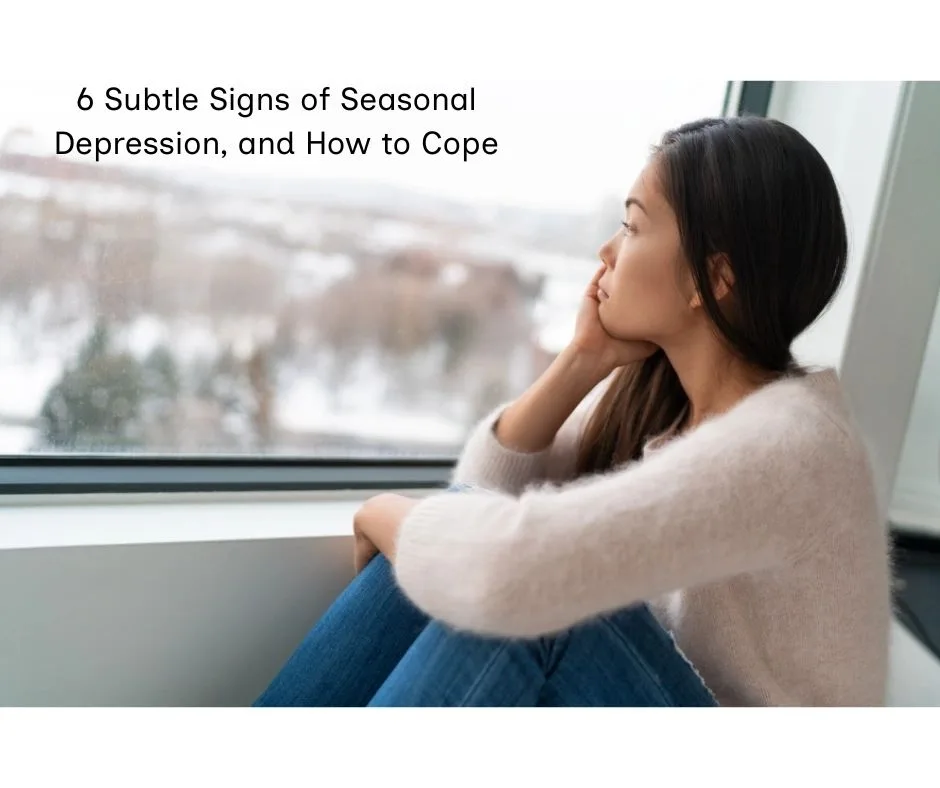
As the days get shorter and temperatures drop, it’s common to notice shifts in mood and energy. But for many people, these changes are more than just the “winter blues.” Seasonal Affective Disorder (SAD)—or seasonal depression—can show up in surprising, subtle ways that are easy to overlook until they start affecting daily life.
If you’ve been feeling “off” and aren’t sure why, here are six lesser-known signs to pay attention to, along with supportive tools to help you feel better through the colder months.
It’s not just tiredness; it feels like your energy supply has been dimmed. You’re sleeping enough (or even oversleeping), but still waking up drained.
Why it happens: Shorter days disrupt circadian rhythms and reduce serotonin.
Try this:
SAD often increases appetite—especially for starchy, high-carb foods that provide a quick serotonin boost.
Why it happens: The brain seeks quick energy and mood elevation.
Try this:
You may notice yourself procrastinating, canceling gym sessions, or feeling overwhelmed by simple tasks. The spark you normally have just isn’t there.
Why it happens: Reduced sunlight can lower dopamine, the neurotransmitter linked to motivation and drive.
Try this:
Instead of connecting with people who normally energize you, you might find yourself isolating or saying “I’ll reach out later” again and again.
Why it happens: Depression symptoms often include withdrawal, and winter’s natural slowdown amplifies it.
Try this:
Many people think depression looks like sadness—but for some, it shows up as frustration, impatience, or feeling overstimulated by things that wouldn’t normally bother you.
Why it happens: When your emotional bandwidth shrinks, small stressors hit harder.
Try this:
Hobbies feel dull, creativity slows, and joy feels muted. This subtle loss of interest is often one of the earliest signs of seasonal depression.
Why it happens: SAD can dampen the brain’s reward system, making pleasure harder to access.
Try this:
There is no one-size-fits-all approach, but these strategies are well-researched and commonly recommended:
Talking with a mental health professional can help you understand your symptoms and build a personalized plan.
A validated first-line support for SAD; consistent use matters more than duration.
Exercise helps regulate mood—even small, consistent amounts.
Stable blood sugar and nutrient-dense meals can noticeably affect mood.
Many people in northern climates benefit from supplementation; talk with a provider about dosing.
Predictability during winter months helps regulate the nervous system.
Seasonal depression is common, especially for those of us living with long, dark winters. If you’re noticing these subtle signs in yourself or a loved one, reaching out for support can make a meaningful difference.
At Vibrant Life Therapy, we’re here to help you navigate the winter months with tools, compassion, and a personalized plan that supports your mental and emotional well-being.
If you’d like to schedule a session or learn more about treatment options, we’re here for you.

About the Author
Tanya Brown, MA, LMFT
Tanya Brown, MA, LMFT, is the Founder and Clinical Director of Vibrant Life Therapy with over 15 years of experience helping individuals navigate stress, anxiety, depression, and identity-related challenges. She takes an integrative, client-centered approach that combines psychotherapy with mindfulness, nutrition, and holistic wellness to support lasting emotional health.
November 16, 2025
Explore More Blogs
Take the First Step Toward
a More Vibrant Life